The Cost of Energy Inequality
Detroit-based nonprofit Elevate focuses on the intersection of energy equity, housing stability, and workforce development. Through community partnerships and programs that connect residents with energy-efficiency upgrades, education, and job-training opportunities, the organization works to strengthen neighborhoods while helping families reduce costs and improve living conditions. SBN Detroit interviewed Shawna Forbes Henry, Director of Community Programs at Elevate, about the broader implications of energy access, the structural barriers communities face, and what real progress could look like in the years ahead. Q: What first drew you to the work Elevate does, and what problem did you most want to help solve? A: One of the things that initially drew me to Elevate is that the organization recognizes energy isn’t just about utility usage. It’s about whether communities can remain stable and whether residents can afford to stay in their homes. The cost of maintaining a safe and comfortable home can place a significant financial burden on families. When utility bills become too high, people are forced to make difficult decisions about whether to pay for food, medicine, or energy. Over time, those choices can push households into deeper financial hardship. As a community leader, I’ve seen firsthand how significant the burden of utility costs can be. The issue I most wanted to help address is the cycle of energy burden and the disproportionate impact it has on low-income communities. Q: Many people don’t realize how closely energy and water access are tied to economic stability and public health. What are some of the most overlooked consequences when communities lack reliable access? A: One of the most overlooked consequences is the long-term health impact. Homes that aren’t properly heated, cooled, or ventilated can worsen chronic health conditions. When water systems are unreliable, that also introduces serious public health risks. We’re seeing these issues more frequently. Poor housing conditions can contribute to asthma, respiratory problems, and other chronic illnesses. There’s also the financial instability that comes with it, as I mentioned, which can ultimately lead to displacement if people can no longer afford to remain in their homes. As an educator by training, I also think about how these challenges affect daily life. If a home is too cold, too hot, or lacks consistent power, it becomes difficult for children to focus in school or for adults to maintain stable employment. Q: Elevate is rooted in Detroit. How does Southeast Michigan shape your priorities, strategy, or the challenges you see most often? A: Southeast Michigan provides a powerful lens for understanding the challenges around energy equity. Michigan is often recognized as a leader in the clean energy space, but we also have one of the oldest housing stocks in the country. Much of our infrastructure is aging, and many neighborhoods have experienced long periods of disinvestment. At the same time, the region has a strong commitment to workforce development and neighborhood revitalization. When you bring those elements together, it creates opportunities for community-driven solutions. Our work has to address several interconnected issues at once—housing rehabilitation, economic mobility, and workforce development. If we want to build strong communities, we have to think about the system as a whole. When we talk about strengthening pathways into the green economy, those foundational issues need to be stabilized first. Q: In your view, what are the biggest barriers preventing progress on equitable energy access? A: One of the biggest barriers is fragmentation. Housing systems, energy systems, and water systems are often addressed separately. These sectors frequently operate in silos, which makes it difficult to create coordinated solutions. Another challenge is access to capital. Many homes require significant updates because of aging infrastructure, but homeowners and landlords often don’t have the resources to make those improvements. As a result, energy upgrades that could lower costs and improve efficiency are frequently overlooked. There’s also an awareness gap. Resources and programs exist to help residents improve efficiency or reduce energy costs, but many people simply don’t know about them. Communication gaps make it harder for those resources to reach the communities that need them most. Q: What are some of the biggest opportunities for progress? A: One of the greatest opportunities is bringing these systems together rather than continuing to work separately. Workforce development is a big part of that. As the energy efficiency sector continues to grow, we need to ensure people are trained and prepared to do the work. Many individuals in the trades still aren’t fully aware of the opportunities within the energy efficiency industry. By aligning workforce training, housing upgrades, and funding streams, we can create a more coordinated approach. When those resources are connected, the impact becomes much greater. Q; What’s one misconception people often have about energy equity, and how would you clarify it for business or civic leaders? A: One common misconception is that energy equity is primarily about subsidies or assistance programs. In reality, it’s about structural access. It’s about ensuring people live in energy-efficient homes, have reliable infrastructure, and can benefit from economic opportunities tied to the clean energy transition. When communities have access to efficient housing and reliable systems, it reduces costs for families and lowers strain on public systems. It also creates jobs and strengthens local economies. For business leaders, energy equity should be viewed as an investment in resilience and long-term economic growth—not simply a social program. Q: Looking ahead five years, what would real progress look like to you—not just for Elevate, but for the communities you serve? A: Real progress would mean that families who have historically been underserved are spending less of their income on energy and water. Their homes would be safer, healthier, and more efficient. Residents would be participating in the clean energy economy and understanding that they have a voice in shaping it. That progress would also include more quality jobs, small business opportunities, and greater community ownership. Communities should have a role in shaping the systems that affect their daily lives. Different neighborhoods face different challenges, and solutions may vary.
Small Businesses Become Resilience Hubs in Eastside Detroit Communities
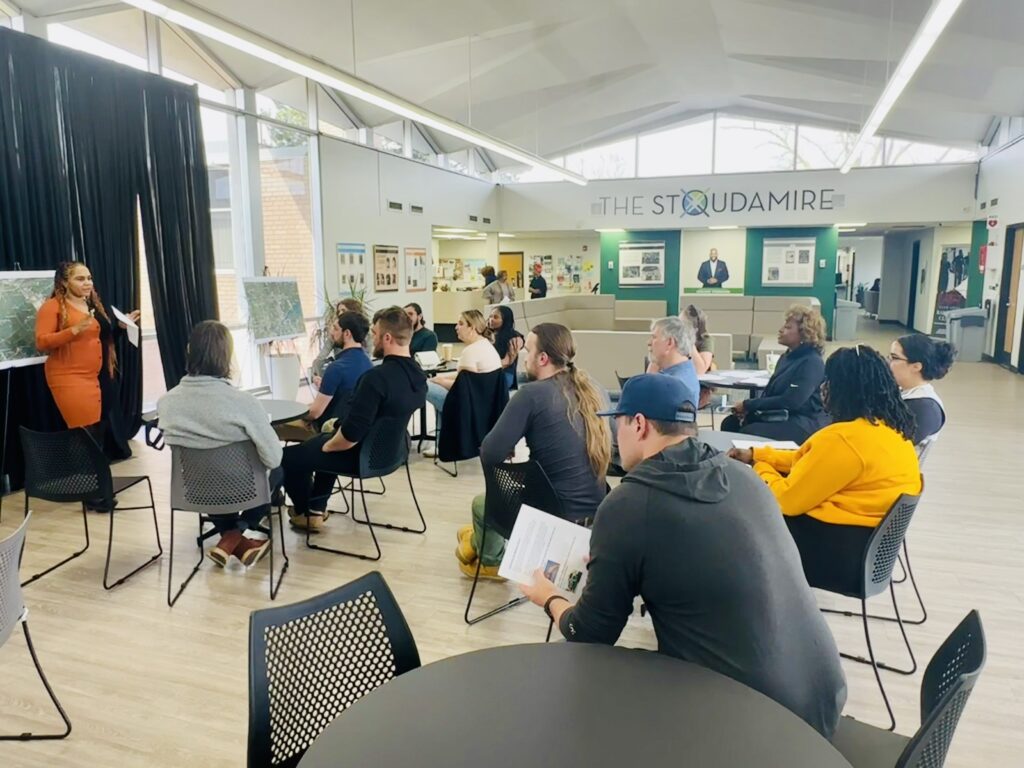
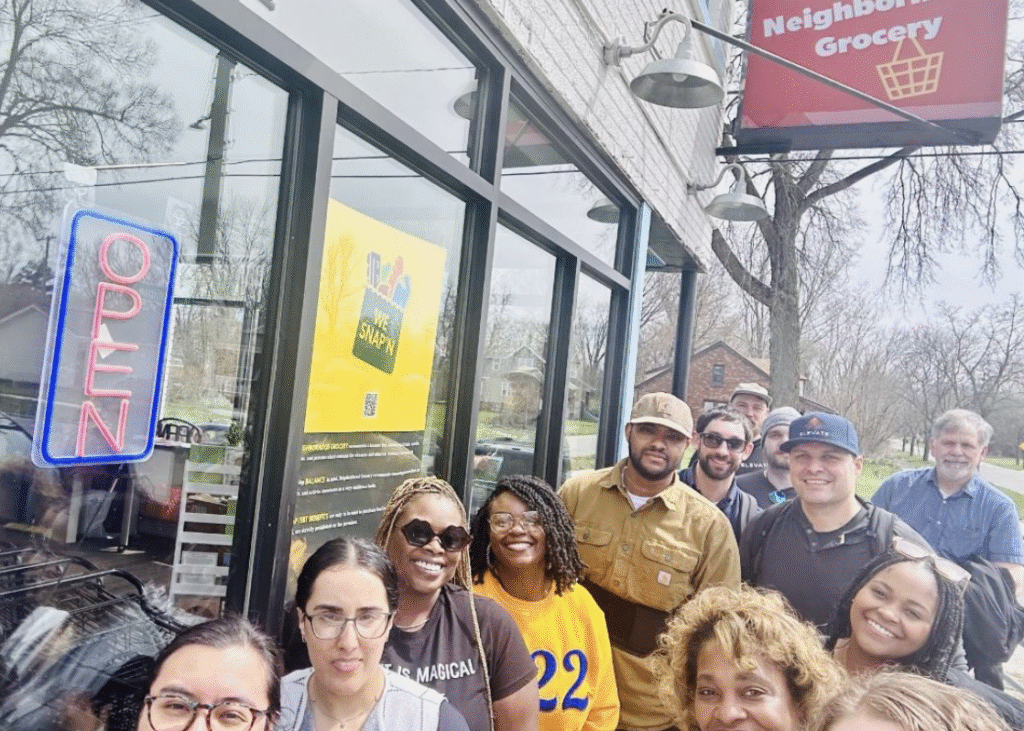
Elevate is a 24-year-old 501(c)(3) nonprofit focused on creating equitable and sustainable communities. Their areas of focus span energy efficiency, water, workforce development, and creating healthy and efficient homes and buildings in communities. Part of the work it is doing in Detroit is helping to develop resilience hubs in response to flooding and ongoing climate-related injustice issues. This is part of the Resilient Eastside Initiative (REI), a culmination of residents and organizations including the Eastside Community Network (ECN), The City of Detroit Office of Sustainability, and the Eastside Climate Action Coalition. Tim Skrotzki, associate director of partnerships at Elevate, and Terri O’Neal, project manager of community programs, talked with SBN Detroit about this work and the role businesses are playing. Q: What is the impetus behind Elevate? A: Elevate is a Chicago-based nonprofit formed in 2000 as an energy cooperative focused on energy efficiency and reducing the drag on the grid. We have projects that touch almost all states. Over the past twenty-four years, our work has expanded to include water, solar, electrification, environmental health, and workforce development. Q: How is Elevate supporting resilient and sustainable communities throughout Detroit and Southeast Michigan? A: One important initiative is the development of Resilience Hubs on Detroit’s East Side. Resilience hubs are vital community centers offering education, support, and resources while fostering community connections. These hubs – many of which are small businesses in the neighborhoods – serve as trusted spaces in touch with residents’ needs. They help facilitate coordination of resources and services across various stakeholders before, during, and after climate-related emergencies. These are being led by the Eastside Community Network and the Resilient Eastside Initiative (REI), a network of 12 resilience hubs on Detroit’s east side, which officially launched in August 2023 in partnership with The City of Detroit Office of Sustainability with funding from the Kresge Foundation. One of these spaces is The Commons, a café, laundromat, and community space that operates in MACC Development’s storefront space on Mack Avenue. This is a safe space for the community that offers charging stations, resources, and more for neighbors during power outages or emergencies. They are also training and upskilling local residents as a form of workforce development. Neighborhood Grocery is another hub, offering healthy food access, refrigerators, and charging stations to neighbors during power outages. This is a framework a lot of businesses can adopt to provide more resources for their communities. It’s an opportunity for businesses to think about where they fit into the community and how they can help the neighborhood remain resilient and sustainable. Further, part of the funding we received from Kresge is being used for training black contractors in solar and EV infrastructure. Called the Detroit Clean Energy Contractor Accelerator Program, the program helps create growth paths and lift up black and brown contractors to help them build their businesses. We believe that if we develop contractors in clean energy in Detroit they will then hire and train more Detroiters to work with them. Q: What best practices can you share from the sustainability work you do in terms of the business and community impact? A: There are federal incentives for businesses and buildings to become more energy efficient. It’s so easy to track what energy you are using and lower it. There are huge opportunities here that people are leaving on the table. Also, any business looking to grow and be sustainable has to be ingrained in the community. Providing resources that help the neighborhood become more resilient should be on every small business owner’s mind. Q What are trends you are seeing when it comes to the sustainability that impacts businesses? A: We are all dealing with new issues we have not dealt with before. Flooding, power outages from 100-year storms, and more. Making a building more resilient is extremely beneficial to business owners, so they don’t have to reduce hours or close during a flood or power outage. There are new impacts that climate change is driving, and if you are not thinking about how to make your business more resilient you may be losing money. Also, businesses should be and are becoming more involved in community organizations, meetings, and community engagement. It’s thinking about how they can better meet the needs of the community. Perhaps be a place where people can come during power outages and offer resources to support. And finally, all businesses should have a climate emergency plan on the operations side of things for their staff, and if applicable, their community. Be sure to subscribe to our newsletter for regular updates on sustainable business practices in and around Detroit.