
Citizen Robotics is a Detroit-based nonprofit that advances the use of robotics and digital manufacturing in residential construction, focusing on improving productivity, sustainability, and long-term affordability. Best known for its early work in 3D-printed housing, it explores how alternative construction methods and new financial models can reduce material waste, lower lifetime operating costs, and enhance the resilience of homes.
SBN Detroit interviewed Tom Woodman, founder and president of Citizen Robotics, about why housing has lagged behind other industries in adopting new technologies, the structural barriers facing innovative construction methods, and what it would take for models like 3D-printed housing to move from experimentation to scale.

Q: Tell me about Citizen Robotics and the impetus behind it.
A: The homebuilding industry largely missed the digital revolution. Productivity has been flat for decades and, that has directly contributed to the rising cost of new construction. It has also limited progress on sustainability, from material efficiency to energy performance. At the same time, the industry has struggled to attract younger workers, in part because it’s perceived as manual and outdated.
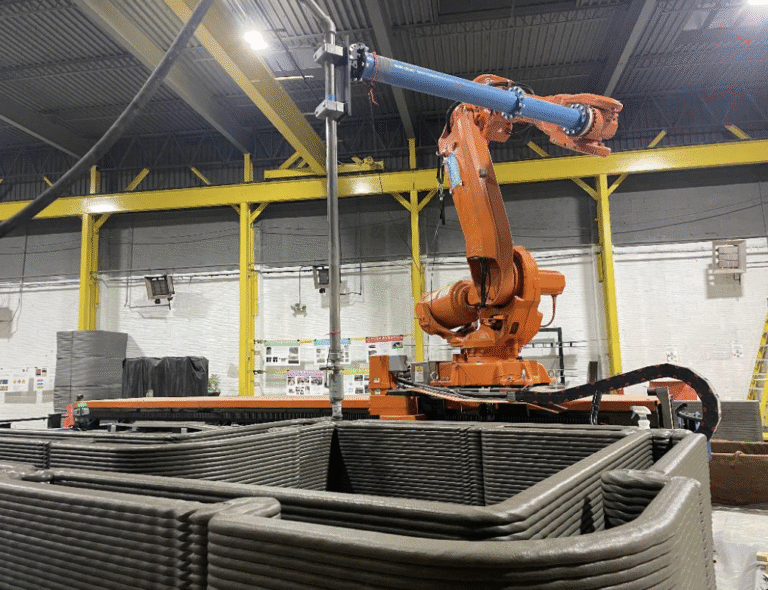
Citizen Robotics was formed in response to that dynamic. The idea was to demonstrate that a robotic future for homebuilding is not only possible, but achievable now. We centered our early work on 3D construction printing because it brings together robotics, digital design, and material innovation in a way that could fundamentally change how homes are built.
Q: Citizen Robotics drew early attention for its work in 3D-printed housing. Where is the organization today?
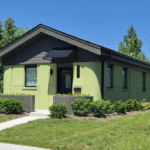
A: That early work generated a lot of interest from the community and the media. One of the most important outcomes was that people could physically experience the technology. Thousands of people toured the house, touched it, walked through it, and asked questions. You could see perceptions shift once people understood what was actually possible.
Today, we’re working more directly with municipalities and partners to move toward a structure that can support real-world deployment. We’re exploring a for-profit framework that would allow 3D printing to achieve broader impact, including a model we call “Build for Equity,” which combines rental housing with shared equity over time.
Q: In your experience, what are the biggest barriers to scaling new housing technologies like 3D printing?
A: Many people assume the barrier is more innovation — better robots, better materials. In reality, we’ve shown that even existing robotic systems can deliver meaningful gains, not only in productivity but in material efficiency and long-term performance.
The real barriers fall into four areas: market acceptance, continuity of capital, industry conservatism, and a funding gap around productivity. Housing is expensive no matter how it’s built, and resale value is always top of mind. Anything outside the mainstream creates anxiety for buyers, lenders, and developers.
Sustainability benefits, such as durability, resilience, and lower operating costs, are rarely reflected in how homes are valued or financed, which makes adoption harder.
There’s also a Catch-22. To make homes cheaper, you need volume and repetition. But to get volume, you need lenders to underwrite projects, and they need comparable data that doesn’t yet exist.
Q: Why has housing been so slow to adopt automation compared to other industries?
A: A big part of it comes down to incentives. Construction largely delivers what the system pays for. The way homes are financed, maintained, and insured often works against affordability over the long term.
If we want healthier, more durable homes, we need to reward innovation rather than cost-cutting that degrades quality. Right now, the system works well for those already positioned to profit from it. Changing outcomes requires changing incentives.
Q: From your vantage point, where is the greatest opportunity to rethink how homes are built?
A: One of the biggest opportunities is Detroit’s inventory of residential lots, combined with a different financial model paired with industrialized construction methods. Build for Equity is about constructing homes for rent while allowing renters to build equity over time through a shared fund structure.
That model allows us to focus on the total cost of ownership.
From a sustainability standpoint, materials like concrete offer fire, flood, and storm resilience, along with lower long-term maintenance and operating costs. When homes are evaluated based on total cost of ownership — including energy use and durability — innovation becomes much easier to justify.
Q: What does it take to keep an innovation-focused organization viable during periods of uncertainty?
A: It’s difficult, particularly in a challenging fundraising environment. But the need hasn’t gone away. Around the world, 3D construction printing is advancing – in Texas, Florida, Ontario, Kenya, Japan, and beyond.
We learn from those efforts and adapt what makes sense locally. The key is securing capital for repeatable projects so the technology can move beyond prototypes and generate the data lenders need.

Q: What would meaningful progress look like for Citizen Robotics over the next few years?
A: Moving from prototypes to a repeatable playbook that lenders are comfortable underwriting. Training and placing at least 60 workers into high-tech construction roles. Scaling projects across multiple municipalities.
Michigan has the ingredients to become a proving ground for innovative and more sustainable construction, from advanced manufacturing expertise to policy interest in sustainability. The challenge is unlocking the first wave of projects.
Q: What needs to change for innovative housing models to become permanent?
A: We need financing structures that optimize for total cost of ownership, not just upfront cost. Philanthropy can play a role in de-risking early projects and funding workforce development.
Policy matters too. Zoning reform, incentives for net-zero housing, and support for local job creation all help create space for innovation.
With the right mix of public, private, and philanthropic investment, we can keep jobs local, improve housing quality, and move toward a more sustainable construction system.
Be sure to subscribe to our newsletter for regular updates on sustainable business practices in and around Detroit.



In November 2023, the City of Detroit enacted an Energy and Water Benchmarking Ordinance requiring buildings 25,000 square feet and larger to annually report their energy and water usage to the city. The policy focuses on transparency, giving building owners and city leaders insight into how buildings perform and where opportunities may exist to improve efficiency and reduce costs. SBN Detroit interviewed Maria Galarza, Deputy Director of the...
Detroit-based nonprofit Elevate focuses on the intersection of energy equity, housing stability, and workforce development. Through community partnerships and programs that connect residents with energy-efficiency upgrades, education, and job-training opportunities, the organization works to strengthen neighborhoods while helping families reduce costs and improve living conditions. SBN Detroit interviewed Shawna Forbes Henry, Director of Community Programs at Elevate, about the broader implications of energy access, the structural barriers communities...

The Green Business Lab, founded in 2002 by Samantha Svoboda, aims to help organizations strengthen decision-making about sustainability through immersive business simulations and strategic advisory services. Working with leadership teams across industries, the Lab creates structured environments where executives can explore how environmental, operational, and market forces intersect with core business strategy. Over more than two decades, the Green Business Lab has worked with companies toward moving sustainability...