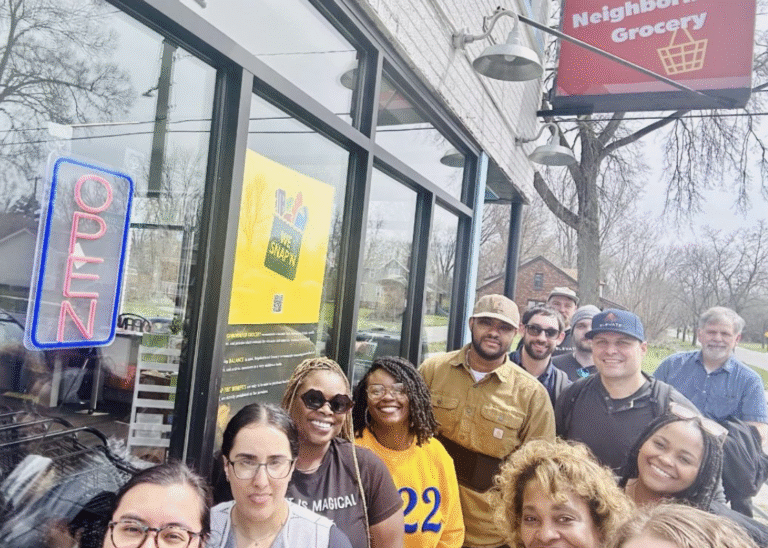
Detroit-based nonprofit Elevate focuses on the intersection of energy equity, housing stability, and workforce development. Through community partnerships and programs that connect residents with energy-efficiency upgrades, education, and job-training opportunities, the organization works to strengthen neighborhoods while helping families reduce costs and improve living conditions.

SBN Detroit interviewed Shawna Forbes Henry, Director of Community Programs at Elevate, about the broader implications of energy access, the structural barriers communities face, and what real progress could look like in the years ahead.
Q: What first drew you to the work Elevate does, and what problem did you most want to help solve?
A: One of the things that initially drew me to Elevate is that the organization recognizes energy isn’t just about utility usage. It’s about whether communities can remain stable and whether residents can afford to stay in their homes.
The cost of maintaining a safe and comfortable home can place a significant financial burden on families. When utility bills become too high, people are forced to make difficult decisions about whether to pay for food, medicine, or energy. Over time, those choices can push households into deeper financial hardship.
As a community leader, I’ve seen firsthand how significant the burden of utility costs can be. The issue I most wanted to help address is the cycle of energy burden and the disproportionate impact it has on low-income communities.
Q: Many people don’t realize how closely energy and water access are tied to economic stability and public health. What are some of the most overlooked consequences when communities lack reliable access?
A: One of the most overlooked consequences is the long-term health impact. Homes that aren’t properly heated, cooled, or ventilated can worsen chronic health conditions. When water systems are unreliable, that also introduces serious public health risks.
We’re seeing these issues more frequently. Poor housing conditions can contribute to asthma, respiratory problems, and other chronic illnesses.
There’s also the financial instability that comes with it, as I mentioned, which can ultimately lead to displacement if people can no longer afford to remain in their homes.
As an educator by training, I also think about how these challenges affect daily life. If a home is too cold, too hot, or lacks consistent power, it becomes difficult for children to focus in school or for adults to maintain stable employment.
Q: Elevate is rooted in Detroit. How does Southeast Michigan shape your priorities, strategy, or the challenges you see most often?
A: Southeast Michigan provides a powerful lens for understanding the challenges around energy equity.
Michigan is often recognized as a leader in the clean energy space, but we also have one of the oldest housing stocks in the country. Much of our infrastructure is aging, and many neighborhoods have experienced long periods of disinvestment.
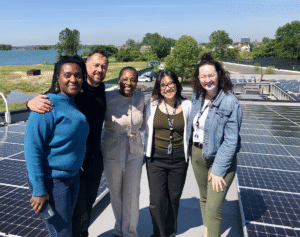
At the same time, the region has a strong commitment to workforce development and neighborhood revitalization. When you bring those elements together, it creates opportunities for community-driven solutions.
Our work has to address several interconnected issues at once—housing rehabilitation, economic mobility, and workforce development. If we want to build strong communities, we have to think about the system as a whole.
When we talk about strengthening pathways into the green economy, those foundational issues need to be stabilized first.
Q: In your view, what are the biggest barriers preventing progress on equitable energy access?
A: One of the biggest barriers is fragmentation. Housing systems, energy systems, and water systems are often addressed separately. These sectors frequently operate in silos, which makes it difficult to create coordinated solutions.
Another challenge is access to capital. Many homes require significant updates because of aging infrastructure, but homeowners and landlords often don’t have the resources to make those improvements. As a result, energy upgrades that could lower costs and improve efficiency are frequently overlooked.
There’s also an awareness gap. Resources and programs exist to help residents improve efficiency or reduce energy costs, but many people simply don’t know about them. Communication gaps make it harder for those resources to reach the communities that need them most.
Q: What are some of the biggest opportunities for progress?
A: One of the greatest opportunities is bringing these systems together rather than continuing to work separately.
Workforce development is a big part of that. As the energy efficiency sector continues to grow, we need to ensure people are trained and prepared to do the work. Many individuals in the trades still aren’t fully aware of the opportunities within the energy efficiency industry.
By aligning workforce training, housing upgrades, and funding streams, we can create a more coordinated approach. When those resources are connected, the impact becomes much greater.
Q; What’s one misconception people often have about energy equity, and how would you clarify it for business or civic leaders?
A: One common misconception is that energy equity is primarily about subsidies or assistance programs.
In reality, it’s about structural access. It’s about ensuring people live in energy-efficient homes, have reliable infrastructure, and can benefit from economic opportunities tied to the clean energy transition.
When communities have access to efficient housing and reliable systems, it reduces costs for families and lowers strain on public systems. It also creates jobs and strengthens local economies.
For business leaders, energy equity should be viewed as an investment in resilience and long-term economic growth—not simply a social program.
Q: Looking ahead five years, what would real progress look like to you—not just for Elevate, but for the communities you serve?
A: Real progress would mean that families who have historically been underserved are spending less of their income on energy and water.
Their homes would be safer, healthier, and more efficient. Residents would be participating in the clean energy economy and understanding that they have a voice in shaping it.
That progress would also include more quality jobs, small business opportunities, and greater community ownership. Communities should have a role in shaping the systems that affect their daily lives.
Different neighborhoods face different challenges, and solutions may vary. In some places, that could mean exploring community water systems or local microgrids. The important thing is that communities are empowered to participate in those decisions.
Be sure to subscribe to our newsletter for regular updates on sustainable business practices in and around Detroit.



In November 2023, the City of Detroit enacted an Energy and Water Benchmarking Ordinance requiring buildings 25,000 square feet and larger to annually report their energy and water usage to the city. The policy focuses on transparency, giving building owners and city leaders insight into how buildings perform and where opportunities may exist to improve efficiency and reduce costs. SBN Detroit interviewed Maria Galarza, Deputy Director of the...
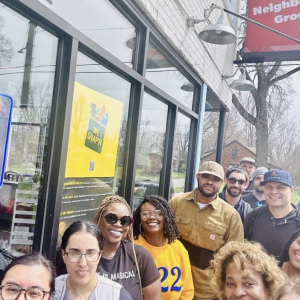
Detroit-based nonprofit Elevate focuses on the intersection of energy equity, housing stability, and workforce development. Through community partnerships and programs that connect residents with energy-efficiency upgrades, education, and job-training opportunities, the organization works to strengthen neighborhoods while helping families reduce costs and improve living conditions. SBN Detroit interviewed Shawna Forbes Henry, Director of Community Programs at Elevate, about the broader implications of energy access, the structural barriers communities...

The Green Business Lab, founded in 2002 by Samantha Svoboda, aims to help organizations strengthen decision-making about sustainability through immersive business simulations and strategic advisory services. Working with leadership teams across industries, the Lab creates structured environments where executives can explore how environmental, operational, and market forces intersect with core business strategy. Over more than two decades, the Green Business Lab has worked with companies toward moving sustainability...