

Floyd, founded in Detroit in 2013, is a furniture company focused on creating modular, long-lasting pieces designed to reduce waste and rethink traditional home furnishings. Known for its clean, adaptable designs and commitment to sustainability, Floyd has grown from a single product to a full line of beds, sofas, tables, and storage solutions—all centered around durability and ease of assembly.
SBN Detroit interviewed co-founder Kyle Hoff about how Floyd approaches sustainable design, the role of modularity in extending product life, and what the furniture industry can learn from systems thinking.
Q: Sustainability is increasingly central to how products are designed. What does a “buy once, use forever” philosophy mean in practical terms when it comes to furniture?
A: We always start with the idea that the best thing you can do is not buy something at all. But when you do need to make a purchase, it should be something that lasts—and adapts. That concept informs every decision: from materials to how a product is serviced and how it fits into someone’s life now and in the future.
It’s not just about quality materials, but also adaptability. Can a product work in an apartment today and a family home down the road? That’s where design has to carry more responsibility.
Q: Many pieces today are built for short-term use. What does “built to last” look like in design and production?
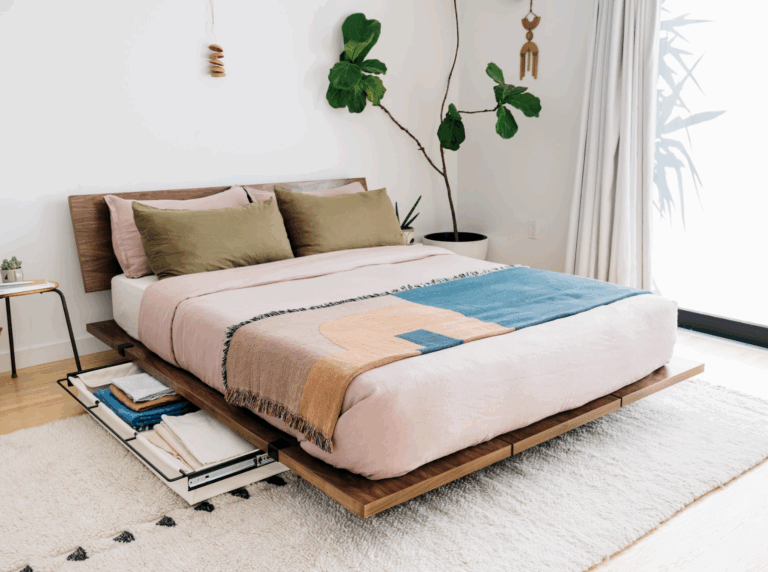
A: It begins at the concept stage. Our product team works in-house in Corktown and starts by asking, “What problem does this solve?” For example, our bed frame was designed nine years ago to be a long-term, flexible solution—and it’s still an evergreen product.
We’ve continued to expand on that initial product with compatible add-ons: a headboard, underbed storage, a bedside table, and a taller version. These aren’t trend-driven changes; they’re part of a system that evolves with people’s needs.
Q: How should sustainability be considered in material sourcing—beyond just using recycled inputs?
A: It’s a layered process. While recycled materials are great, they still have to last. A short lifespan defeats the purpose. The first priority is creating products people want to keep. That starts with durable, high-quality materials—like natural woods or wool, which we’ve leaned into recently.
We also think about serviceability. If something breaks, can a part be replaced instead of the whole product? That changes how you source and design from the beginning.
Q: Durability often comes with trade-offs in cost or complexity. What are the challenges in balancing sustainability with accessibility?
A: Durability doesn’t have to mean expensive. It’s really about thoughtful design. A lot of mass-produced furniture is made quickly, designed for trend cycles, and lasts maybe a year or two. We try to offer long-term value—something people will keep—not luxury pricing.
It’s a similar mindset to brands like Patagonia: not the cheapest, but a high return on use over time. We focus on lasting connections and construction that can stand up to real life.
Q: Modularity is a growing design focus. How does that relate to sustainability and evolving lifestyles?
A: It’s critical. If someone moves or their life changes, modularity lets them keep a product and adapt it. That reduces waste. A twin bed that can become a king, or a sofa with replaceable upholstery—that flexibility allows furniture to evolve with people, rather than going into a landfill.
We think a lot about systems: not just selling one thing but offering pieces that can grow or change over time.
Q: How do you measure the environmental footprint of your products—and improve it?
A: We survey how long people use our products and how their use changes. That lifecycle data is an internal benchmark for us.We also evaluate serviceability—whether a product can be fixed instead of replaced. It’s about holding ourselves to a different standard: not just how a product is made, but how long it’s truly used.
Q: Are there new materials or partnerships that stand out in your sustainability work?
A: Yes—there’s a fabric company in Denmark called Kvadrat we’re working with that’s doing really thoughtful work around long-lasting, sustainable textiles.
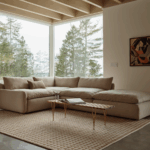
They’ve created a surface material called “really,” which is made from post-consumer garment waste. That’s an exciting example of circular design—giving textile waste a second life in new forms.
Q: What changes would you like to see across the industry in terms of sustainability?
A: There’s a big opportunity to focus on lifespan. Most companies aren’t incentivized to do that—they want to sell more furniture. But designing for longevity, building modularity into the system, and standing behind products long-term can shift that mindset
Sustainability shouldn’t just be about natural materials or recycled content. In our view, the biggest impact is in keeping products out of landfills. That comes from design choices made long before a product reaches a home.
Be sure to subscribe to our newsletter for regular updates on sustainable business practices in and around Detroit.

In November 2023, the City of Detroit enacted an Energy and Water Benchmarking Ordinance requiring buildings 25,000 square feet and larger to annually report their energy and water usage to the city. The policy focuses on transparency, giving building owners and city leaders insight into how buildings perform and where opportunities may exist to improve efficiency and reduce costs. SBN Detroit interviewed Maria Galarza, Deputy Director of the...
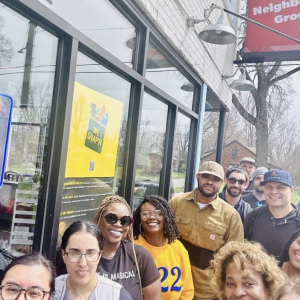
Detroit-based nonprofit Elevate focuses on the intersection of energy equity, housing stability, and workforce development. Through community partnerships and programs that connect residents with energy-efficiency upgrades, education, and job-training opportunities, the organization works to strengthen neighborhoods while helping families reduce costs and improve living conditions. SBN Detroit interviewed Shawna Forbes Henry, Director of Community Programs at Elevate, about the broader implications of energy access, the structural barriers communities...
The Green Business Lab, founded in 2002 by Samantha Svoboda, aims to help organizations strengthen decision-making about sustainability through immersive business simulations and strategic advisory services. Working with leadership teams across industries, the Lab creates structured environments where executives can explore how environmental, operational, and market forces intersect with core business strategy. Over more than two decades, the Green Business Lab has worked with companies toward moving sustainability...